

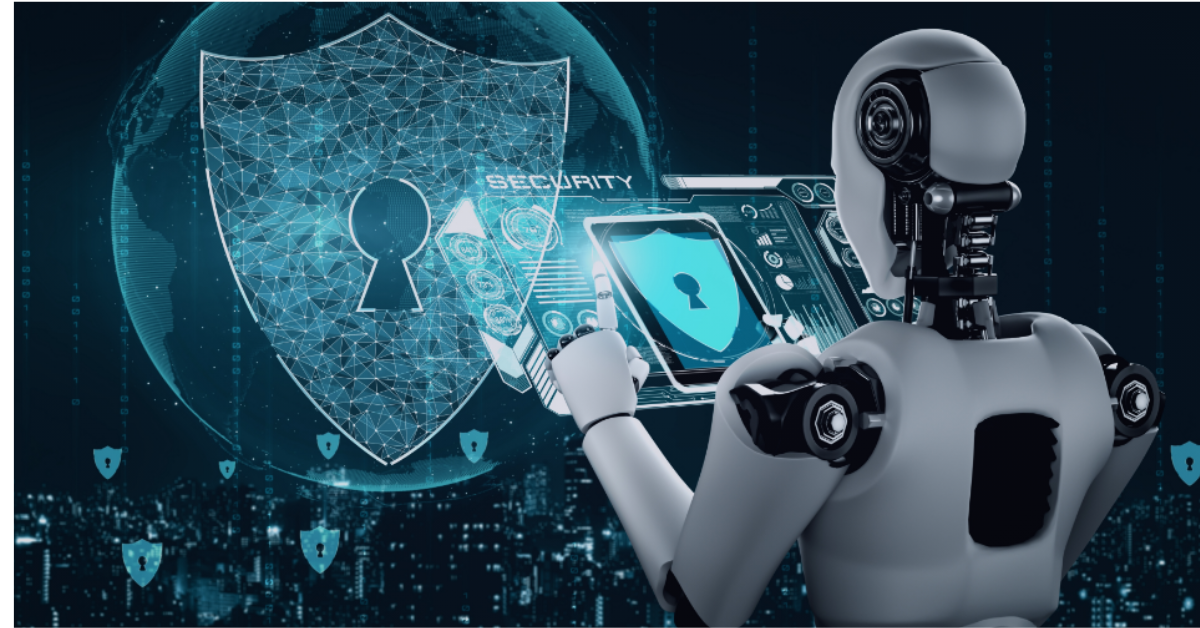
Cybersecurity has shifted from a defensive game to a proactive war of speed. In 2026, the traditional approach of “detect and react” is no longer enough to stop modern threats. I have worked with enterprise security teams where human analysts were being buried under fifty thousand alerts per day. It was physically impossible for them to keep up. When we integrated automated AI systems, the response time dropped from hours to milliseconds. This isn’t just about saving time; it is about stopping a breach before the first file is even encrypted.
The true power of AI in this niche lies in its ability to identify “zero-day” patterns. These are threats that have never been seen before and do not have a known signature. A human looks for what is familiar, but an AI looks for what is abnormal. If a user suddenly accesses a database from a new location at three in the morning, the AI doesn’t wait for a human to wake up; it automatically locks the account and isolates the threat. This article will explain how these advanced tools work, the hidden risks involved, and how to build a strategy that actually secures your digital assets.
The Shift to Autonomous Threat Intelligence
Modern cybersecurity operations now rely on “Self-Healing Networks.” This is a level of automation where the AI manages the entire lifecycle of a threat. It starts with continuous monitoring, moves to instant isolation, and ends with automated reporting. For a global business, this means your security team can focus on long-term strategy instead of chasing minor alerts.
The most valuable AI tools today use deep learning to understand the “baseline behavior” of your network. Once the AI knows what “normal” looks like, it becomes incredibly sensitive to the slightest deviations. For example, if an internal server starts sending small packets of data to an unauthorized external IP, the AI recognizes this as a potential data exfiltration attempt and cuts the connection instantly.
In my experience, the biggest breakthrough for security leads is the reduction in “alert fatigue.” By automating the triage of low-level threats, you ensure that when a human does get an alert, it is something that actually requires their unique expertise. This human-machine partnership is the only way to survive a landscape where hackers are also using AI to launch their attacks.
What Most Websites Get Wrong About This
There is a massive amount of misinformation online regarding AI in cybersecurity. Most blogs promise that AI will make your network “unhackable.” This is a dangerous lie.
First, many websites ignore the reality of “Adversarial AI.” Hackers are using the same advanced tools to find holes in your defenses. If your AI model is predictable, a clever attacker can “poison” the data it learns from, eventually training your security system to ignore their malicious activity. I have seen companies fall into a false sense of security because they trusted their AI too much without verifying the underlying logic.
Second, there is a myth that more automation is always better. In reality, “blind automation” can shut down critical business processes by mistake. I once saw an over-aggressive AI lock out the entire accounting department during a major financial audit because it flagged their high volume of data transfers as a “suspicious attack.” Without human-defined guardrails, AI can become a bottleneck for your own business.
Lastly, generic advice often skips the importance of data privacy within the AI itself. If you are feeding sensitive company secrets into a cloud-based AI to analyze for threats, you might be creating a new security hole. You must ensure that your AI operations are as secure as the network they are protecting.
Key Components of AI-Driven Security Operations
A professional-grade security framework is built on several layers of automation. It isn’t just one tool; it is an ecosystem. The most important component is the “Security Orchestration, Automation, and Response” (SOAR) platform. This acts as the brain, connecting all your different security tools into a single, cohesive unit.
Another pillar is “User and Entity Behavior Analytics” (UEBA). This focuses on the people inside the network. It tracks how employees interact with data and flags high-risk behavior before it leads to a breach. When you combine this with automated encryption and real-time patch management, you create a defense-in-depth strategy that is incredibly difficult for attackers to penetrate.
Explainability is also crucial here. If an AI blocks a critical connection, the security lead needs to know exactly why. 2026 standards require “Transparent AI” that provides a clear audit trail for every automated action taken. This ensures compliance with global data protection laws and helps the team refine the AI’s logic over time.
Strategic Comparison: Traditional SOC vs. AI-Enhanced Operations
The difference between a traditional Security Operations Center (SOC) and an AI-automated one is the difference between a manual lighthouse and a modern GPS. One reacts to what it sees; the other predicts where the danger is.
| Security Metric | Traditional SOC Operations | AI-Automated Security Operations |
| Detection Speed | Minutes to hours (Reactive). | Microseconds (Proactive). |
| Alert Management | Manual triage (High alert fatigue). | Automated filtering (Zero-noise focus). |
| Threat Intelligence | Static signature-based lists. | Dynamic behavior-based learning. |
| Response Capability | Requires human intervention for every step. | Automated isolation and self-healing. |
| Resource Efficiency | Requires a large 24/7 staff. | Small, high-level expert team needed. |
| False Positive Rate | High (leads to missed real threats). | Low (refined through constant learning). |
| Scalability | Hard to scale during a massive attack. | Scales instantly to handle millions of events. |
The Hidden Risks of Automated Defense
While the benefits are massive, you must be aware of the “Silent Killers” in AI security. The biggest one is “Model Bias.” If your AI was trained on data from a different type of industry, it might not understand the specific threats your niche faces. You cannot use a “one size fits all” AI model for cybersecurity.
Another risk is the “Human Skill Gap.” As we automate more, there is a danger that the next generation of security professionals won’t know how to defend a network manually if the AI fails. I always recommend that teams conduct “Dark Drills” where the AI is turned off, and the humans have to manage a simulated attack. This keeps the team sharp and ensures they remain the masters of the technology, not its servants.
Finally, there is the risk of “Internal Over-Confidence.” Just because you have an advanced AI system doesn’t mean you can ignore basic security hygiene like strong passwords and physical security. Most major breaches still start with a simple human error that bypasses the most expensive AI tools in the world.
My Personal Recommendation: Who This Is For — and Who Should Skip It
I have seen both the triumphs and the failures of AI automation in the field, and here is my professional take.
Who This Is For: If you are handling sensitive customer data, intellectual property, or high-value financial transactions, this is a necessity. If your business would be ruined by forty-eight hours of downtime, you need AI automation. It is for the enterprise that wants to move away from “panic mode” and into a state of “continuous resilience.”
Who Should Skip It: If you are running a simple blog or a small local business with no sensitive data, a full AI-driven security operations suite is likely an unnecessary expense. Basic security plugins and a good firewall will serve you better. Don’t buy a tank to protect a garden shed. Focus on the basics until your scale and risk profile demand a more professional solution.
The Future of AI in Cybersecurity Operations
To get the most out of these tools, you need a long-term mindset. Don’t look for a “set it and forget it” solution. Cybersecurity is a moving target. By utilizing artificial intelligence in finance and general security operations, you are committing to a process of constant evolution.
The most successful security leaders I know are those who treat AI as a junior analyst that never sleeps. They guide it, they correct it when it makes a mistake, and they give it better data every single day. This synergy allows you to stay two steps ahead of the attackers.
As we move further into 2026, the gap between those who use AI and those who don’t will become a chasm. The attackers are already using these tools; the only question is whether you will use them to defend your future. Start with a clear assessment of your highest risks, choose a tool that offers transparency, and never stop testing your own defenses.
If you are feeling overwhelmed by the technical complexity of integrating these advanced security tools into your current operations, I am here to help. Navigating the world of AI defense requires a steady hand and real-world experience. Let’s connect for a strategy session to ensure your network is not just automated, but actually secure.



Leave a Reply